

At ASI, we believe that every child deserves access to a quality education, regardless of their abilities or needs. That's why we are committed to promoting inclusive education practices and providing support for children with special needs.
Inclusive Education: Inclusive education is at the heart of our approach to promoting equal opportunities for all children. We believe that every child, regardless of their background, should have the chance to learn and thrive in a supportive and inclusive environment. Our programs focus on removing barriers to education and ensuring that all children have access to the resources and support they need to succeed.
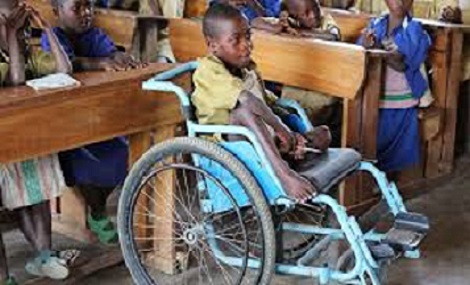
Support for Children with Special Needs: We recognize the unique challenges faced by children with special needs and are dedicated to providing tailored support to meet their individual needs. Whether it's through specialized educational programs, assistive technologies, or access to therapies and interventions, we strive to empower children with special needs to reach their full potential and participate fully in school and community life.
Parent and Caregiver Support: We understand that parents and caregivers play a crucial role in supporting children with special needs. That's why we offer resources, guidance, and support services to help families navigate the complexities of raising a child with special needs. From parent education workshops to support groups and counseling services, we're here to provide the support and encouragement families need to advocate for their children and ensure they receive the best possible education and support.
Teacher Training and Professional Development: Effective teaching is key to creating inclusive classrooms where all children can thrive. That's why we offer training and professional development opportunities for educators to enhance their knowledge and skills in inclusive education practices. By equipping teachers with the tools and strategies they need to support diverse learners, we can create learning environments that are welcoming, inclusive, and responsive to the needs of every child.
Advocacy and Awareness: ASI is committed to advocating for policies and practices that promote inclusive education and support children with special needs. We work with policymakers, stakeholders, and advocacy groups to raise awareness about the importance of inclusive education and to advocate for policies that ensure all children have access to the education and support they need to succeed.
Culled from UNESCO Institute of Statistics: Sustainable Development Goals
About 263 million children and youth are out of school, according to new data from the UNESCO Institute for Statistics (UIS). This is equivalent to a quarter of the population of Europe. The total includes 61 million children of primary school age, 60 million of lower secondary school age, and includes the first ever estimate of those of upper secondary school age at 142 million.
Children of sub-Saharan Africa the most excluded
Of all the regions, sub-Saharan Africa has the highest rates of exclusion. Over a fifth of children between the ages of 6-11 are out of school, followed by a third of youth between the ages of 12-14. According to UIS data, almost 60% of youth between the ages of 15-17 are not in school.
New data on upper secondary school aged youth
In every region, older youth face greater barriers to education. According to the global average, 15 to 17-year-olds are four times more likely to not be in school than children between the ages of 6-11. This is partly because primary and lower secondary education are compulsory in nearly every country, while upper secondary school is not. At the same time, these youth are often of legal working age. Many have no choice but to work while others try to combine going to school with employment.
These new findings are produced in a paper released jointly by the UNESCO Institute for Statistics and the Global Education Monitoring (GEM) Report. The paper also reveals the vast challenges faced by the poorest children. In sub-Saharan Africa, only 65 of the poorest children for every 100 of the richest go to school according to GEM Report analysis. In Northern Africa and Western Asia, and Southern Asia, this rises to 90 of the poorest for every 100 of the richest.
Girls still more likely than boys to never go to school
Girls are more likely than boys never to set foot in a classroom, despite all the efforts and progress made over the past two decades. According to UIS data, 15 million girls of primary-school age will never get the chance to learn to read or write in primary school compared to about 10 million boys. Over half of these girls - 9 million - live in sub-Saharan Africa.
Poverty creates an additional barrier for girls. In Northern Africa and Western Asia, according to GEM Report analysis, among the poorest in the region, gaps are far wider: only 85 girls for every 100 boys of lower secondary school age attend school. Among those of upper secondary school age, only 77 of the poorest girls for every 100 of the poorest boys attend.
Conflict is a major barrier
Armed conflict poses another major barrier to education. Globally, 35% of all out-of-school children of primary age (22 million), 25% of all out-of-school adolescents of lower secondary age (15 million), and 18% of all out-of-school youth of upper secondary age live in conflict-affected areas (26 million).